Water Wise Gardening | Sustainable Garden Design | Botanical Traditions |
Water wise gardening is one of the most practical and impactful things you can do for your garden, your household budget and the broader environment. In Australian gardens, where climate extremes are part of everyday life, designing and managing your outdoor space with water efficiency in mind is not simply a trend — it is sound, long-term thinking. Whether you are starting from scratch, replanting an existing garden or reviewing how your current space is maintained, a water wise approach can significantly reduce your reliance on mains water without sacrificing the lush, healthy garden you want. At Botanical Traditions, we take an integrated approach to water wise garden design — one that works with your site conditions, your plants and your lifestyle to deliver real, lasting results. Let's face it — since the last drought, complacency has crept back in. Watering restrictions were once front of mind for most households, and while nobody enjoyed the inconvenience, they focused our attention on something important: water is not an unlimited resource, and how we use it in our gardens matters enormously. It has been estimated that up to 50% of domestic water use occurs in our gardens. For those who remember the last drought, it was in our streets and green spaces that the shortage became most visible. The good news is that there is a great deal you can do — whether you are designing a new garden, replanting an existing one or simply reviewing how you maintain it — to reduce your reliance on mains water, support the environment and keep your garden genuinely healthy. At Botanical Traditions, we encourage an integrated approach to water wise gardening. |
What is Water Wise Gardening |
A water-wise garden is one built around efficient watering practices. This means making the most of rainwater, recycled water and greywater, and reducing dependence on mains supply wherever possible. It is worth clearing up a common misconception: a water-wise garden is not a dead garden, a desert garden or necessarily a lawn-free garden. Done well, water wise gardening can support a lush lawn and healthy, abundant planting. In fact, more plant problems stem from overwatering than underwatering — something worth keeping in mind the next time the hose comes out. |
Water Harvesting and Alternative Water Source |
Water Harvesting and Alternative Water Sources Rainwater Stormwater Greywater Choosing the Right Option Discover more of our work and related sustainable topics down below: |
Sustainability Raingarden Design |
Click on this page to learn how a raingarden can filter stormwater, reduce runoff and support a healthier, more sustainable garden. Expert raingarden design and advice from Botanical Traditions. |
 |
 |
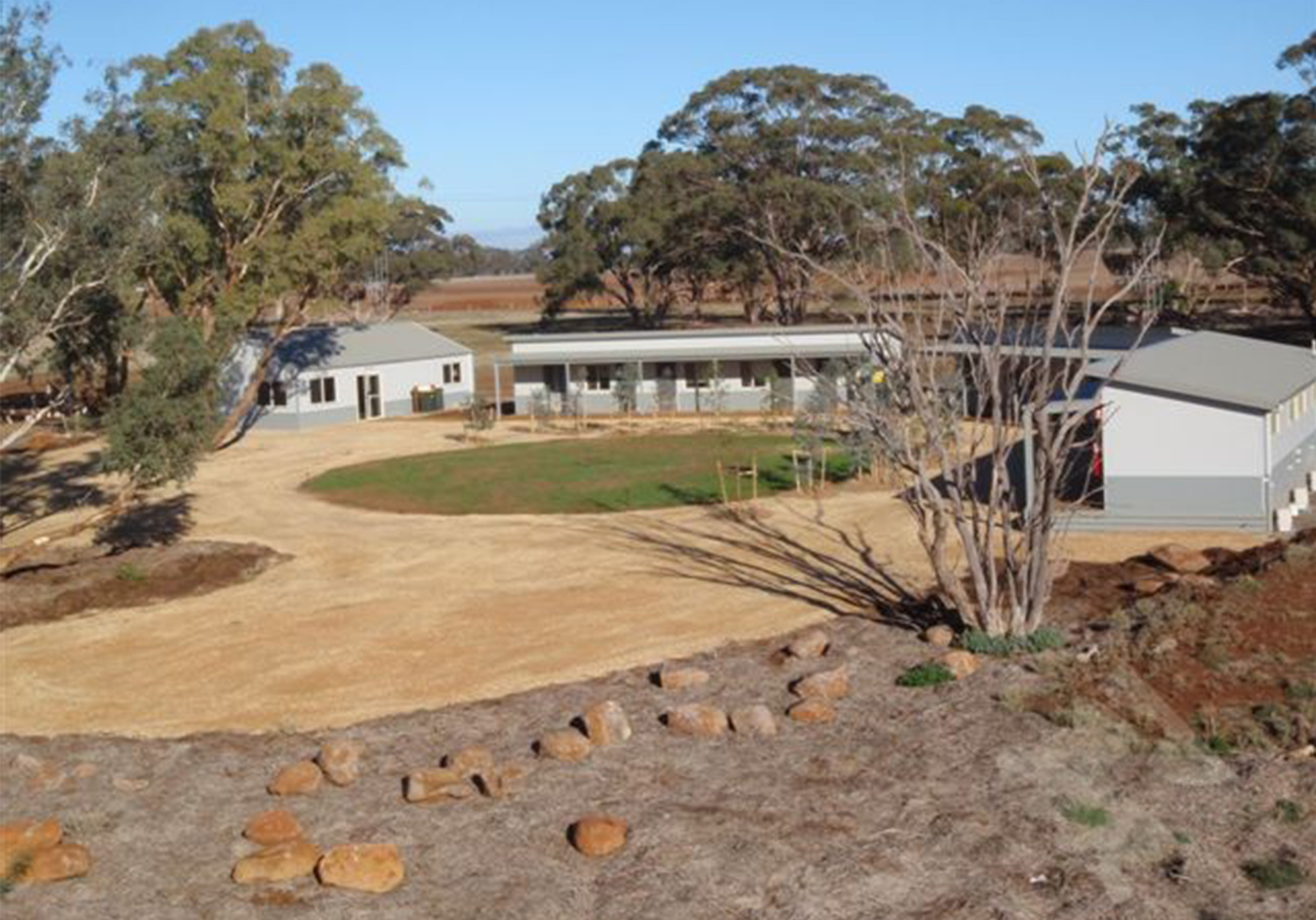 |
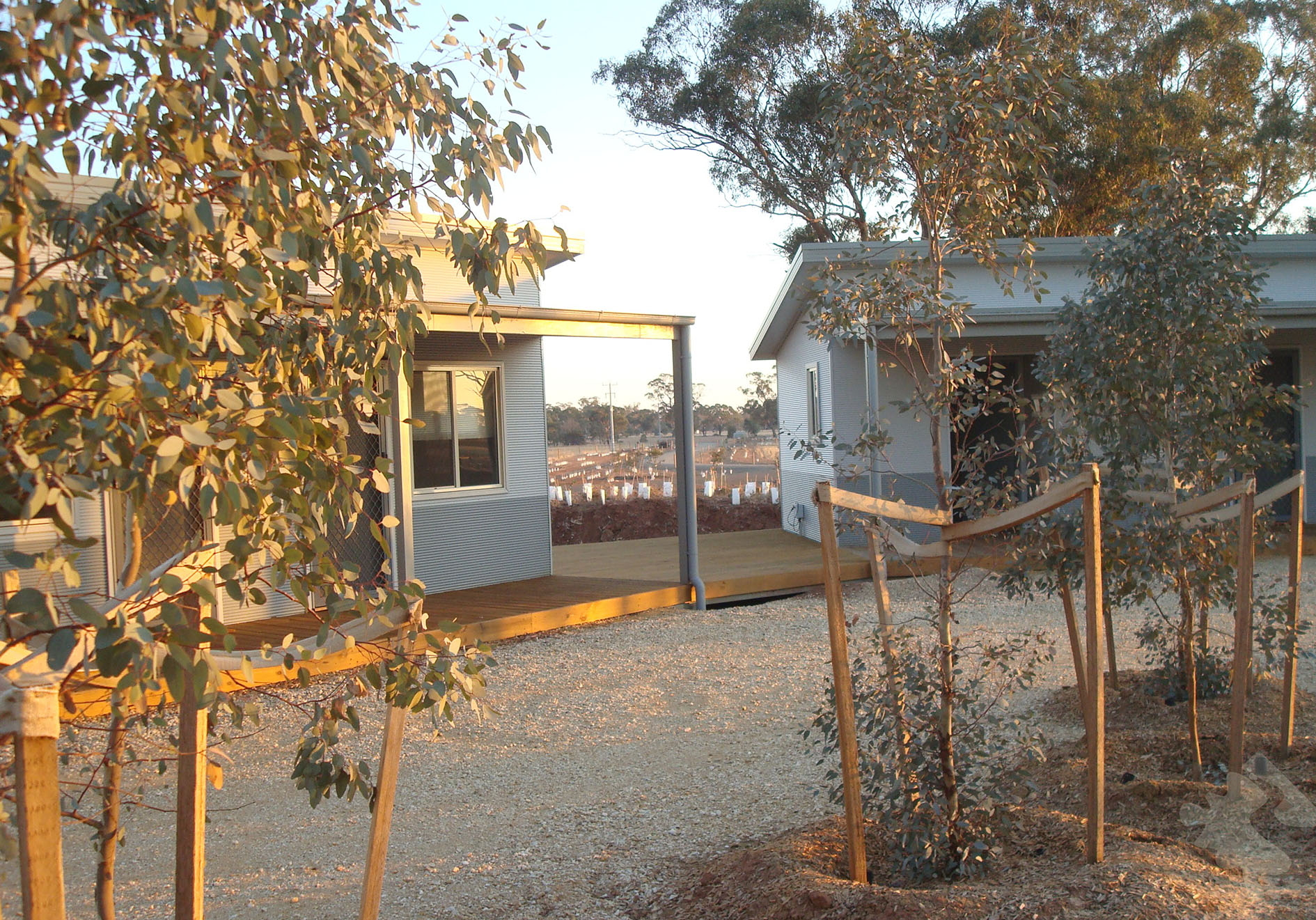
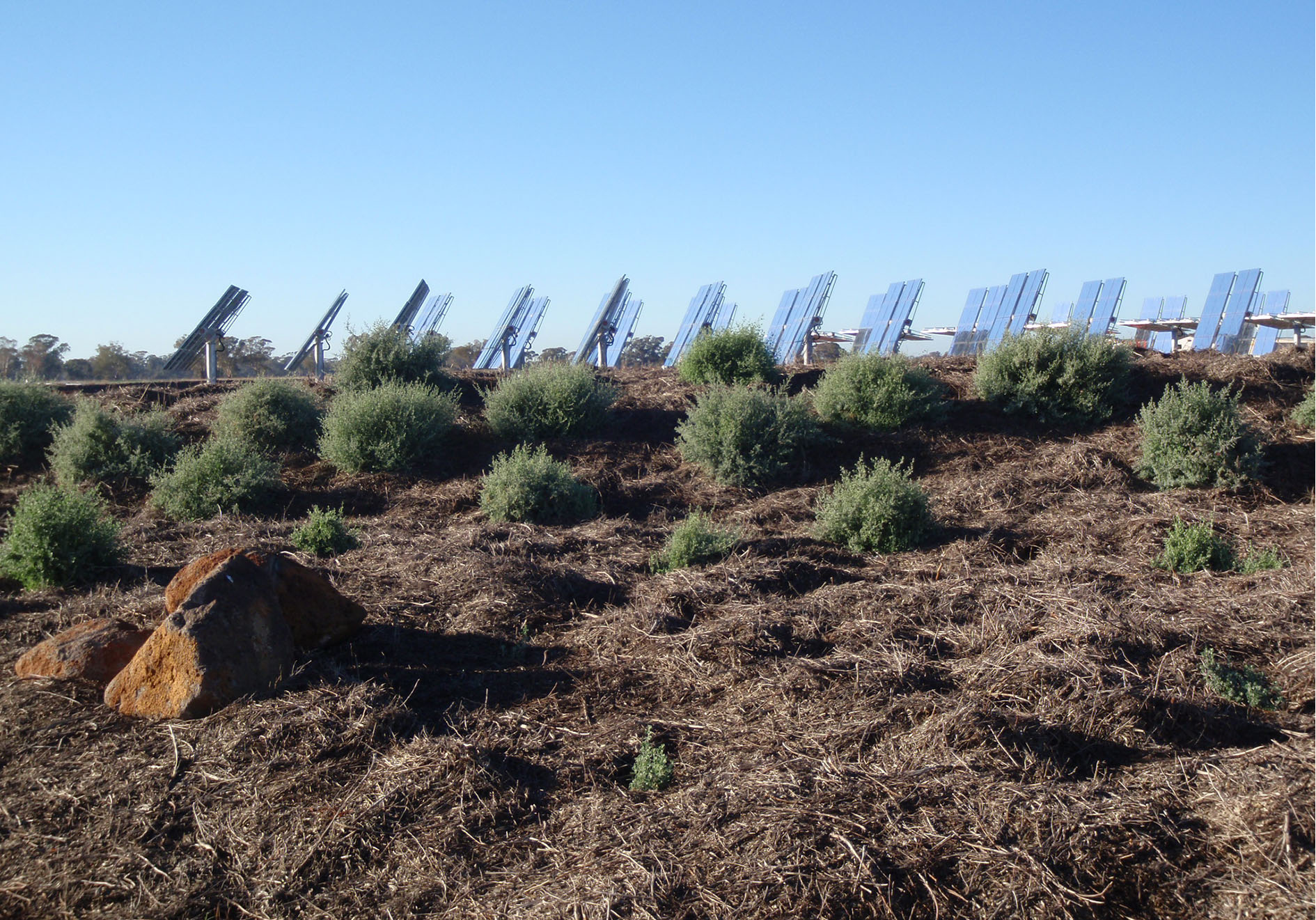
Commercial Landscape Design - Bridgewater Solar Power Plant Designed by Botanical Traditions |
 |
 |
 |
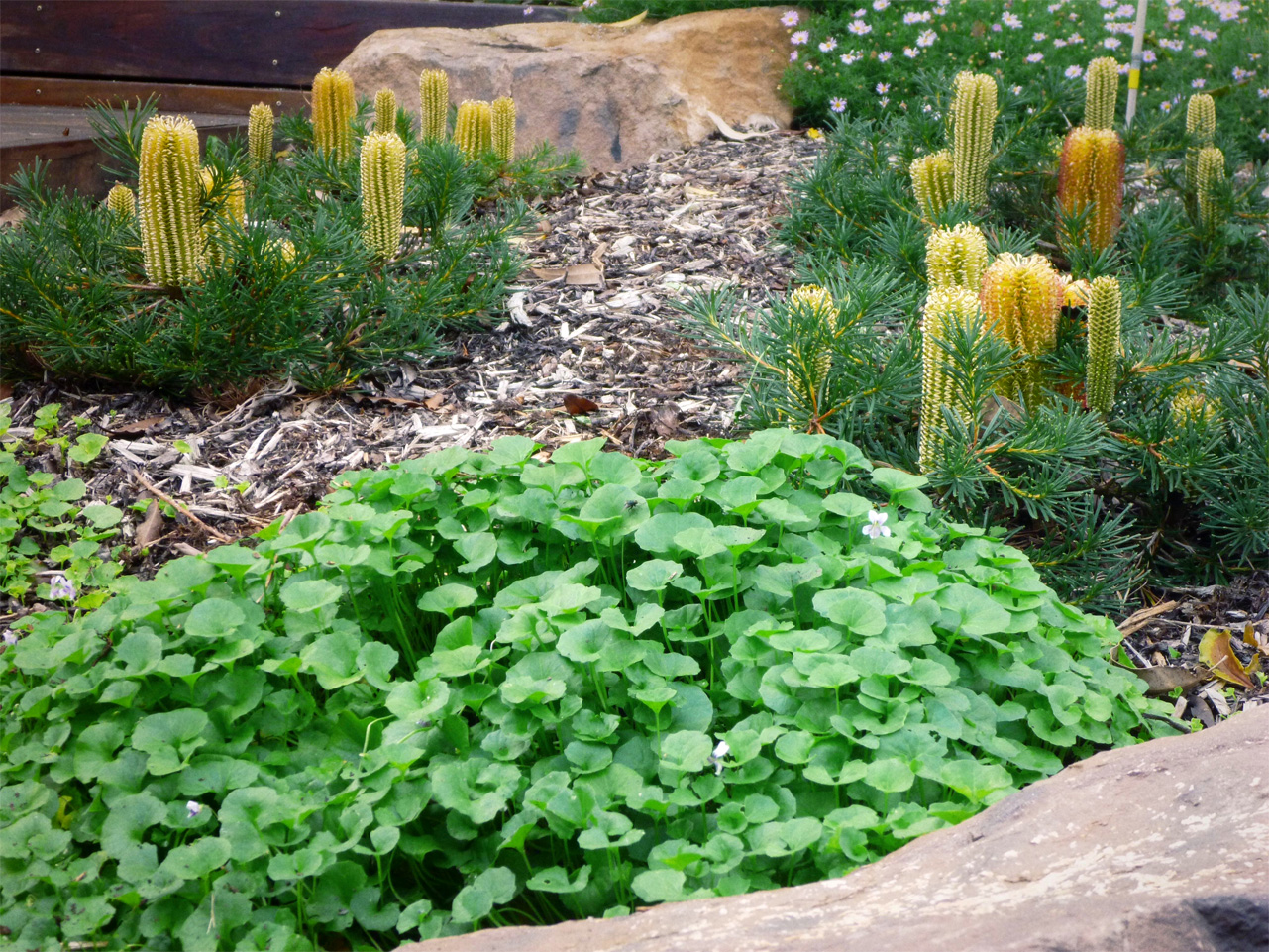
Planting Designs for Native Residential Gardens Designed by Botanical Traditions |
|